
 Call us for quote
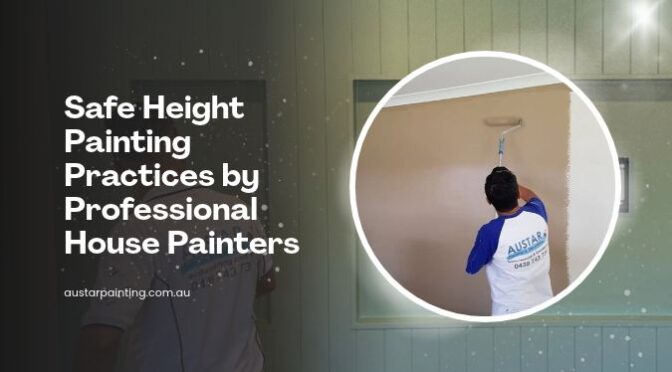
Painting a multi-storey home involves more than choosing the right colours and applying an even coat of paint. Exterior painting projects often require professionals to work on elevated surfaces, including upper-storey walls, rooflines, eaves, gutters and difficult-to-reach architectural features. Without proper equipment and safety precautions, working at heights can expose painters to serious risks.
Professional house painters in Melbourne use specialised access equipment, carefully planned work methods and appropriate safety procedures to complete elevated painting projects efficiently. Understanding how these professionals work at heights can help homeowners make informed decisions when hiring a painting contractor.
-
Assessing the Property Before Starting Work
Before beginning an exterior painting project, Melbourne painters inspect the property to identify potential access difficulties and safety hazards.
They consider factors such as:
- The height and design of the building.
- The condition and slope of the surrounding ground.
- Nearby trees, power lines, and overhead structures.
- The accessibility of balconies, rooflines and upper-storey walls.
- Weather conditions that could affect elevated work.
This initial assessment helps determine which access equipment and safety measures are appropriate for the project.
-
Using Scaffolding for Multi-Storey Painting
Scaffolding is commonly used for painting large exterior surfaces and multi-storey homes. It provides painters with a stable working platform, allowing them to reach elevated sections without repeatedly repositioning ladders.
Professional contractors carrying out Melbourne painting and decorating ensure scaffolding is erected by appropriately competent personnel and complies with relevant Australian requirements. Guardrails, secure access points and suitable platforms help reduce the risk of falls.
Scaffolding is particularly useful when painting upper-storey walls, exterior trims, eaves and other extensive surfaces that require prolonged access.
-
Choosing the Right Ladders for Smaller Tasks
Ladders can be suitable for certain short-duration painting activities where a more extensive access system is unnecessary.
Painters select appropriate ladders based on the working height, ground conditions, and nature of the task. They also ensure ladders are positioned securely and used according to safety requirements.
However, ladders are not automatically suitable for every elevated painting job. Where workers need to handle heavy equipment, maintain awkward positions, or perform prolonged tasks, scaffolding or other suitable access equipment may be safer.
-
Using Elevated Work Platforms for Difficult Areas
Some Melbourne properties have architectural features that are difficult to reach using conventional ladders or scaffolding. Elevated work platforms (EWPs), including boom lifts and scissor lifts, can provide access to these locations.
They are particularly useful for:
- High exterior walls.
- Large roof overhangs.
- Elevated balconies.
- Complex architectural features.
- Difficult-to-access commercial-style residential structures.
Operators must have the appropriate training and authorisation for the equipment being used. The surrounding ground, overhead hazards and operating conditions must also be assessed before work begins.
-
Wearing Appropriate Personal Protective Equipment
Personal protective equipment (PPE) is another important part of working safely at heights.
Depending on the task and risk assessment, house painters may use:
- Safety helmets.
- Non-slip safety footwear.
- Suitable work clothing.
- Gloves and eye protection.
- Properly selected and fitted fall-arrest equipment.
Where fall-arrest systems are required, workers must receive appropriate training and have suitable rescue arrangements in place. Wearing a harness alone does not eliminate the risk of falling.
-
Monitoring Weather and Site Conditions
Melbourne’s weather can change quickly, making environmental monitoring important during exterior painting projects.
Rain, strong winds, slippery surfaces and poor visibility can increase the risks associated with elevated work. Professional painters monitor conditions and postpone activities when the environment makes working at heights unsafe.
They also keep access areas organised, secure painting equipment and prevent unauthorised people from entering hazardous work zones.
-
Following Australian Work Health and Safety Requirements
Professional painting contractors must take appropriate steps to manage work-related risks. Under Australian model WHS regulations, work involving a risk of falling more than two metres at a workplace generally requires a safe work method statement (SWMS) for construction work.
The relevant Victorian occupational health and safety requirements must also be considered for projects in Melbourne. Contractors should assess risks, implement suitable controls and ensure workers are competent to perform their assigned tasks.
Choose Experienced House Painters for Elevated Painting Projects
Painting upper-storey walls and other elevated exterior surfaces requires proper planning, suitable access equipment and a strong commitment to safety. Professional house painters understand how to manage these challenges while delivering consistent finishes across difficult-to-reach areas.
If you are planning an exterior painting project in Melbourne, choose an experienced painting contractor who prioritises safety, follows applicable regulations and uses appropriate equipment. This helps protect everyone on-site while ensuring your home receives a professional finish.
How Do Professional House Painters in Melbourne Safely Work at Heights?
Need Professional House Painters for Your Melbourne Property?
Planning to repaint your home’s exterior, including difficult-to-reach upper levels? Choose experienced Melbourne house painters from Austar Painting & Renovations who use appropriate access equipment and follow essential workplace safety procedures. Call 0438743730 today to discuss your painting requirements.
 Call Now
 Get a Quote
 Send us a message